
Back to Blog Page
admin
comments (0)
June 22, 2026

Indian Government Removes Excise Duty on High-Blend Ethanol Petrol
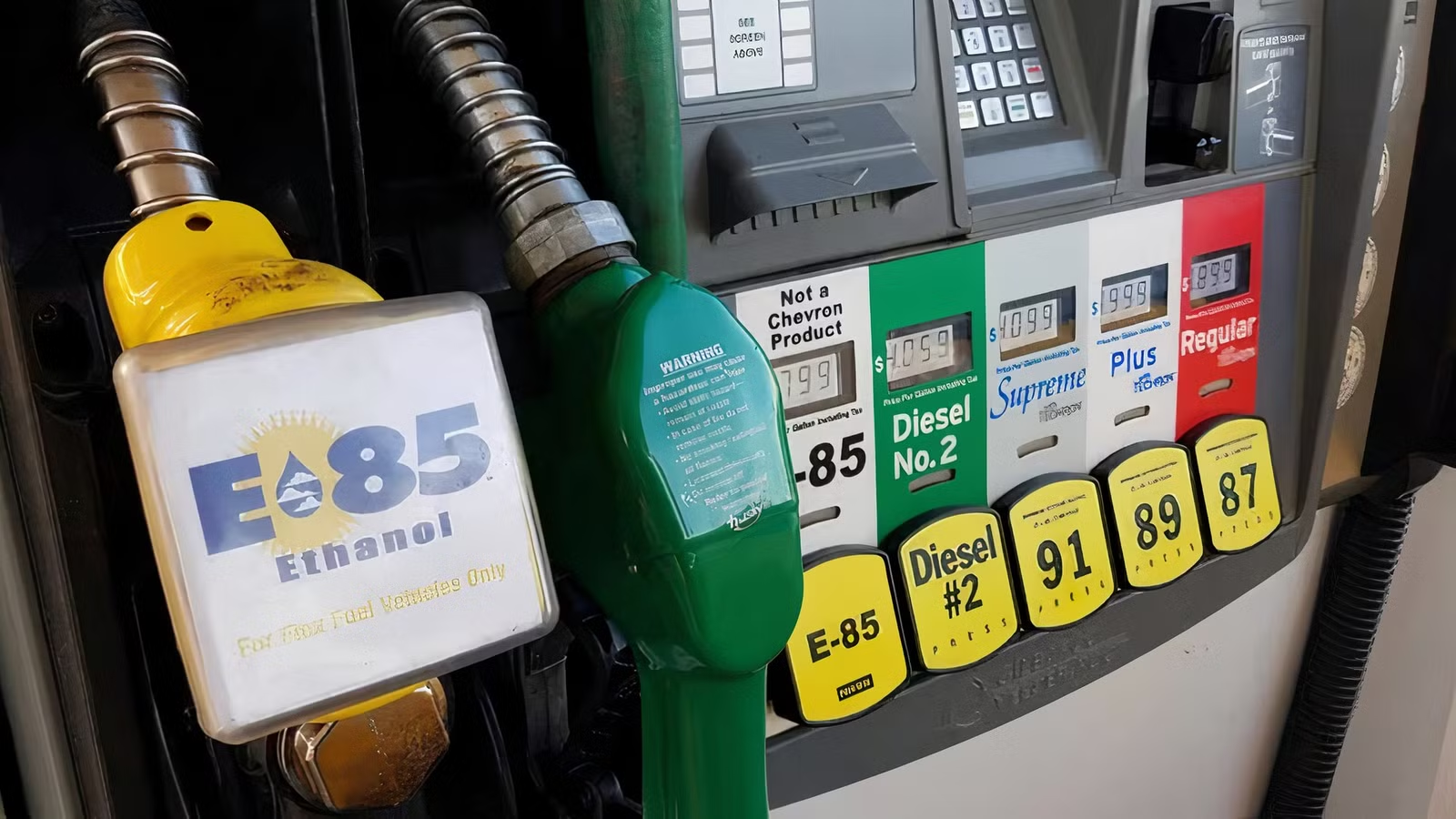
Indian Government Removes Excise Duty on High-Blend Ethanol Petrol

New Delhi, India: India has taken a significant step toward cleaner and more sustainable fuel adoption by removing excise duty on high-blend ethanol petrol. This move aims to accelerate the country’s transition to alternative fuels, reduce dependence on crude oil imports, and promote environmental sustainability.

What is High-Blend Ethanol Petrol?

High-blend ethanol petrol refers to fuel that contains a higher percentage of ethanol mixed with petrol, typically ranging from 22% to 30% (E22–E30). Ethanol is a biofuel produced from agricultural sources such as sugarcane, corn, and other biomass.

India has already introduced E20 fuel (20% ethanol blending), and this latest policy aims to push adoption even further.

Key Highlights of the Decision

  • Excise duty has been fully removed on petrol with ethanol blends above 20% (E22–E30).
  • The policy applies to fuels that meet Bureau of Indian Standards (BIS) specifications.
  • The move is part of India’s broader Ethanol Blending Programme (EBP).
  • It supports the government’s vision of achieving energy independence.

Why This Move Matters

1. Reduction in Crude Oil Imports

India imports a large portion of its crude oil requirements. By increasing ethanol blending, the country can reduce its dependence on foreign oil and save billions in import costs.

2. Environmental Benefits

Ethanol burns cleaner than conventional petrol. Higher blending levels help reduce carbon emissions, lower air pollution, and support India’s climate goals.

3. Boost to Farmers and Rural Economy

Ethanol production relies heavily on crops such as sugarcane and maize. Rising demand for ethanol can improve farmers’ incomes, create employment opportunities in rural areas, and strengthen the agricultural sector.

Impact on Consumers

Although there may not be an immediate reduction in petrol prices, the policy could provide long-term benefits, including:

  • More stable fuel prices.
  • Reduced exposure to global crude oil price fluctuations.
  • Wider availability of cleaner fuel options.

Challenges Ahead

  • Not all vehicles are currently compatible with high ethanol blends.
  • Distribution and storage infrastructure require expansion.
  • Automobile manufacturers need to adapt engines for higher ethanol usage.

Conclusion

The removal of excise duty on high-blend ethanol petrol represents a forward-looking policy decision by the Indian government. The initiative supports India’s objectives of sustainability, energy security, and economic resilience. While the full benefits will emerge gradually, the move lays a strong foundation for a cleaner and more self-reliant energy future.

Tag:
admin

Leave a comment

Your email address will not be published. Required fields are marked *

Copyrights 2026 Tulsi Finserve Pvt Ltd. All Rights Reserved. Designed By Chahar Technologies.